The Role of Luck in Casino Games
Luck plays a pivotal role in the casino landscape, influencing outcomes across various games where chance reigns supreme. Many players find that engaging with slot machines or participating in a game of craps often leads them to explore anonymous casinos , where the results are steeped in randomness. Each spin or roll is an independent event, making it virtually impossible to predict future outcomes based on past results. This inherent unpredictability is a significant factor that draws players to casinos, as the prospect of winning substantial amounts of money from a single bet creates an exhilarating atmosphere that many find irresistible.
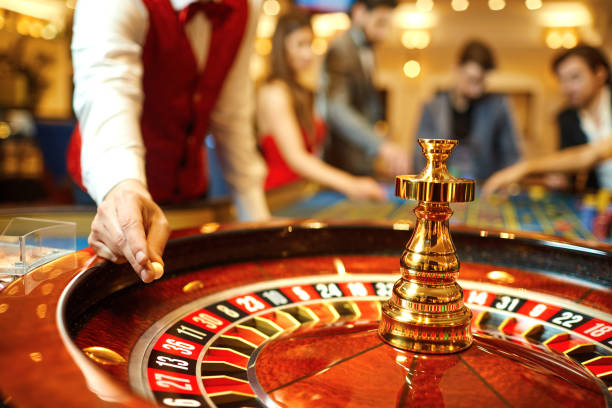
Take roulette, for instance. Players place their chips on numbers or colors, hoping the ball lands in their chosen spot. Despite any strategies or systems players might employ, the ultimate result is dictated by the laws of probability and physics, rendering it unpredictable. This unpredictability generates excitement and can lead to remarkable swings in fortune, transforming a modest wager into a life-altering jackpot. Such instances exemplify how luck can dramatically alter the course of a gaming session, capturing the thrill that keeps players returning.
The psychological aspect of luck cannot be overlooked either. Players often attribute their wins and losses to luck, significantly influencing their behavior within the casino. The idea of a “lucky streak” can entice individuals to continue gambling, even when the odds are not in their favor. Casinos are well aware of this psychology, designing environments that amplify feelings of luck and good fortune. From bright lights and captivating sounds to layouts that encourage play, these elements work together to create a space where players feel empowered by luck, further enhancing the immersive experience.
The Importance of Skill in Gambling
While luck is an undeniable factor in casino games, skill is equally crucial, especially in games that require strategic thinking and decision-making. Poker serves as an excellent example where players must evaluate their own hands in conjunction with the behaviors and potential strategies of their opponents. A skilled poker player can leverage techniques such as bluffing, reading body language, and calculating odds to gain a competitive edge. This interplay of skill and psychology makes poker not just a game of cards but a battle of wits.
In addition to poker, blackjack exemplifies how skill can influence outcomes. Players must make critical decisions about whether to hit, stand, or double down, based on their hand and the dealer’s visible card. Understanding basic strategy can significantly enhance a player’s winning potential, demonstrating that while luck may dictate individual hands, skill can shape long-term success. The complexities of these games make them appealing to players who enjoy engaging their intellect while navigating the uncertainties of luck.

Skill extends beyond card games; it applies to various casino experiences. Even in games like craps, where luck is a dominant factor, experienced players recognize how different bets impact their odds. They may choose to place wagers with better odds or adopt effective bankroll management strategies. This understanding illustrates that skill can help players mitigate the risks associated with pure luck, enabling them to traverse the unpredictable nature of casinos with greater efficacy.
Finding the Balance Between Luck and Skill
The relationship between luck and skill is often a nuanced one, varying significantly from game to game. In certain games like slots or roulette, luck predominates, while skill takes precedence in others such as poker or blackjack. This dynamic balance creates a diverse environment in casinos, appealing to a wide range of players seeking different thrills. Those who prefer the excitement of chance may flock to luck-based games, while strategic players seek out games that allow them to showcase their skills and knowledge.
This balance also shapes player behavior within casinos. Casual players often lean towards games dictated by luck, where the action is rapid and the excitement palpable. In contrast, serious gamers tend to gravitate towards skill-based games, where they can analyze strategies and apply their expertise over time. Such diversity is essential for casinos, as it allows them to cater to varied preferences, ultimately boosting patron engagement and maximizing revenue.
Moreover, the interplay between luck and skill often incites lively debates within gaming circles. Some argue that skill-based games should be viewed and regulated differently from those reliant on luck. This distinction has significant implications for how casinos operate and market their games. As players navigate these options, understanding the blend of luck and skill can empower them to make more informed decisions, enriching their overall gaming experience.
Strategies for Managing Luck and Skill in Casinos
Successful casino players recognize the importance of balancing luck and skill through effective strategies. One of the most critical aspects is understanding when to take risks versus when to play conservatively. In high-volatility games like slots, players must accept that luck will largely dictate outcomes. However, in skill-based games, players can implement strategies that leverage their comprehension of the game to diminish the influence of chance.
Establishing a clear bankroll management plan is another essential strategy. By setting limits on losses and wins, players can navigate the unpredictable nature of luck more effectively. Defining how much they are willing to wager protects their bankrolls and allows for a more enjoyable gaming experience, without succumbing to emotional highs and lows often associated with gambling. Such management practices help ensure that skill plays a more prominent role over time, as players avoid the pitfall of chasing losses driven by a longing for a lucky break.
Continuous education about various games is vital for enhancing skills. Learning strategies, odds, and probabilities can yield significant advantages in skill-based games. Resources such as books, tutorials, and practice games provide players with valuable insights that improve their understanding and implementation of skill while acknowledging the luck component in outcomes. This commitment to learning can elevate a player’s gaming experience and foster a deeper appreciation for the games they engage with.
Exploring Resources for Casino Enthusiasts
For those eager to explore the world of casinos more thoroughly, a wealth of resources exists to enhance knowledge and skills. Online forums and communities serve as platforms for players to share their experiences, strategies, and tips, creating a vibrant network of information that can be invaluable for both novices and seasoned gamblers alike. Engaging with these communities can provide insights into how others navigate the intricate balance between luck and skill, further enriching one’s gaming approach.
Additionally, numerous websites and blogs offer comprehensive guides on various casino games, covering everything from fundamental rules to advanced strategies. These resources empower players to cultivate their skills and improve decision-making processes, ultimately leading to a more gratifying casino experience. Aspiring players are encouraged to delve into these platforms to gain a well-rounded understanding of the games they wish to master.
Many casinos also contribute to educational opportunities, providing tutorials, demonstrations, and workshops led by experienced professionals. These initiatives not only enhance gameplay but also promote responsible gambling practices, ensuring all players can enjoy their time. By leveraging such resources, casino enthusiasts can deepen their appreciation for the complex relationship between luck and skill, enhancing their overall gaming experience.
