Is HMDD’s Price Tag Justified? A Value Breakdown for Shoppers for Buyers
These days, people shopping this space keep asking one thing: can HMDD back up its pricing with real quality and design? Known in full as Happy Memories Don’t Die, the label has earned its fans on sentiment-heavy design work, a memory-soaked look, and a wardrobe built around comfort-first basics like sweatpants, shorts, hoodies, and tees. But branding alone doesn’t answer whether the price is fair. So this piece unpacks: what you’re paying for with HMDD clothing, where the value is real, where it doesn’t, and how it stacks up against similar streetwear labels in 2026.
A genuinely honest hmdd review has to separate the branding from the product. HMDD builds around one core emotional idea — the concept that happy memories don’t die, that clothing can carry sentiment rather than just style. That’s a compelling hook, but buyers putting down actual cash want to know if the construction, weight, and fit justify the spend. We’ll look at construction, sizing consistency, drop frequency, and resale demand to give a realistic assessment rather than just repeating the brand’s own pitch.
What Your Money Really Buys
The brand positions itself in the mid-tier streetwear bracket, meaning it costs more than mall-brand basics but sits below hype-driven luxury streetwear. That in-between spot is where a lot of value questions get murky, because shoppers are comparing HMDD against both ends of the spectrum. The fairest comparison is similarly-scaled independent streetwear labels, not fast fashion and not designer collabs.
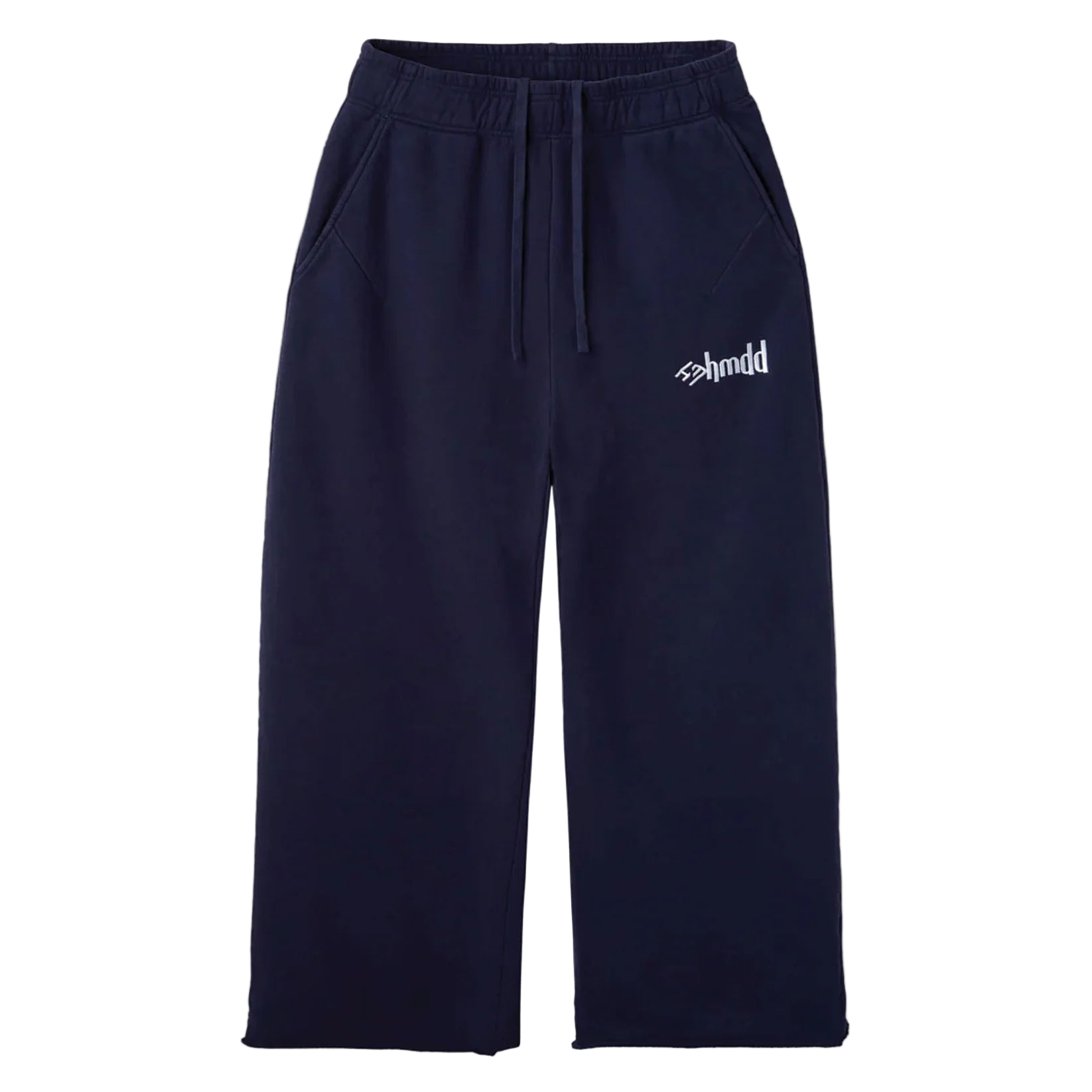
Three elements determine the cost: fabric weight, print/embroidery technique, and limited-run scarcity. hmdd t shirt HMDD’s sweatpants typically feature denser fleece fabric compared to standard mass-market hoodie sets, affecting both drape and how well the garment keeps its shape through repeated washing. The graphic work, usually the heart of the brand’s nostalgic message, it’s generally applied using techniques more durable than basic heat-transfer printing — a real factor for anyone wearing it often rather than rarely.
Scarcity from limited releases also affects pricing. Smaller production runs mean less per-unit cost efficiency than a mass retailer enjoys, and that gets passed to the shopper. It’s a common pattern across indie streetwear brands, not unique to HMDD, but it deserves to be said plainly because it clarifies why HMDD costs more than large chains.
Sweatpants and Shorts: The Key Test for Value
Sweatpants and shorts from hmdd tend to be where most shoppers first try the brand, and since they’re used with such frequency and laundered so frequently, they end up being the most honest gauge of value. Sweatpants succeed or fail based on three things: how well the waistband holds its stretch, how much the fabric pills with wear, and whether the cut holds its shape after twelve washes. Short styles get assessed on drawstring durability, how sturdy the inseam stitching is, and whether the material retains its color after frequent laundering.
Shoppers regularly point out that HMDD sweatpants match standard sizing with a loose through-the-leg cut rather than a narrow taper, which makes a difference if you’re used to size charts that skew narrow. The shorts carry the same loose, relaxed shape. This reliability counts for more than most shoppers realize — a brand that fits reliably across drops cuts down on the hassle and cost of returns, which is its own type of benefit even before you factor in the actual cost of the garment.
This is the part worth paying attention to is repeat-purchase behavior. Shoppers who buy one pair of HMDD sweatpants and are satisfied tend to come back for shorts or hoodies rather than one-off buying and moving to a different brand. That’s a solid indicator of satisfaction, since streetwear shoppers have countless competing brands to choose from and don’t stay loyal for subpar items.
HMDD Versus Other Streetwear Brands: A Comparison
Numbers help ground this conversation more than adjectives do. Here’s a framework for comparison across categories that matter most to value-conscious shoppers: price positioning, fabric weight class, how long prints and graphics last, drop frequency, and consistency of fit. These are comparative rankings based on general category positioning rather than brand-specific claims not provided by HMDD directly, and they’re meant to give you a general sense of direction rather than serve as exact specs.
| Category | Budget/Mainstream Streetwear | HMDD Clothing | High-End/Designer Streetwear |
|---|---|---|---|
| Standard Price Range | Budget-Level | Mid | Elevated to Premium |
| Material Weight | Light to Mid | Medium to Heavyweight | Heavy |
| Graphic Longevity | Weaker to Moderate | Moderate to Strong | Strong |
| Drop Frequency | Constant | Occasional and Limited | Seasonal and Scarce |
| Fit Consistency Across Releases | Variable | Generally Consistent | Reliable |
This comparison isn’t about naming a clear winner — it’s meant to show where HMDD sits among its peers. It’s not competing with $15 fast-fashion sweatpants, and it’s not trying to be a $300 designer hoodie either. It sits in the space where material and graphic quality clearly surpass entry-level basics, without asking shoppers to pay luxury-tier prices for the upgrade. For a lot of buyers, that middle lane is just the value offering they’re after.
Best HMDD Clothing Picks for Everyday Value
Joggers and shorts rank highest because they’re worn for everyday errands, workouts, and lounging alike, distributing the expense across a wider range of wears than a bold graphic hoodie you hold back for certain fits.
- Sweatpants: elevated wear frequency, easygoing fit, best cost-per-wear ratio in the lineup.
- Shorts: strong warm-weather rotation piece, similar fit reasoning to the sweatpants.
- Printed hoodies: higher price point but longer-lasting durability due to reduced rotation use.
- T-shirts: lowest-cost entry point, good for checking fit before buying bottoms.
It’s a more budget-friendly way to verify sizing before going all-in on a higher-priced sweatpant or hoodie purchase. This kind of staged buying is common advice among streetwear shoppers working through any smaller brand with tight exchange periods.
Where the Value Breaks Down
Every brand has flaws, and value breakdowns don’t help much if they only focus on strengths. The biggest pain points shoppers mention about HMDD center on limited release availability — when a design runs dry, it may fail to return on a predictable schedule, which can annoy buyers who weren’t fast enough to grab a drop. That’s a tangible drawback in accessibility, even if it isn’t reflected on a receipt.
Independent streetwear brands generally fall short of the return convenience of major retailers, so a buying choice should account for the fact that exchanges may take longer or cost more in shipping than they would with a bigger retailer. Nothing here is unique to HMDD, but it’s part of the actual tradeoff of buying from a smaller, design-driven label rather than a large-scale retailer with large-scale shipping operations.
Closing Thoughts: Should You Buy HMDD?
Those bottoms specifically deliver solid long-term value because they’re adaptable, reliably fitted, and durable to frequent laundering better than starter-level pieces. The “happy memories dont die” philosophy isn’t just marketing spin — it comes through in design choices that prioritize sentiment and longevity over short-lived trend cycles.
If you’re relying on designer-level build quality at mid-tier prices, or depending on assured restocks paired with liberal return windows, this is where you should ease off. Such perks aren’t strengths of the limited-drop model under which HMDD functions, and no truthful assessment should pretend otherwise. For your particular situation in 2026, the worth-it question becomes far simpler to resolve once you weigh your own priorities — cost-per-wear, style compatibility, and tolerance for infrequent replenishment — against what HMDD offers.
