Secure Your Trip with Visit Ukraine Insurance
Planning a trip to Ukraine requires securing the right travel coverage, as comprehensive medical and trip protection is essential for navigating local requirements and unforeseen events. Visit Ukraine insurance policies are tailored to cover emergency healthcare, evacuation, and trip disruptions within the country. This coverage ensures travelers can explore confidently while meeting entry and safety standards.
Why Coverage Matters for Travel to Ukraine
The old man in Lviv, his handshake firm despite a lifetime of winters, told me he hadn’t left his city in thirty years. “But you,” he said, gesturing at my backpack, “you need a plan.” He wasn’t talking about a map. He was talking about travel insurance with medical evacuation. A sudden shelling or a car accident on a darkened road doesn’t announce its intention. I realized then that coverage isn’t a formality; it’s the invisible thread stitching your journey back home. Without it, a twisted ankle in a remote village becomes a logistical nightmare. With it, a crisis shrinks to a manageable phone call. That piece of paper in my bag wasn’t just a policy; it was a promise of return, allowing me to wander among Kyiv’s chestnut trees, not as a daredevil, but as a prepared traveler. The best stories from a risky place are told, not lived inside a hospital room.
Current security landscape and insurance necessity

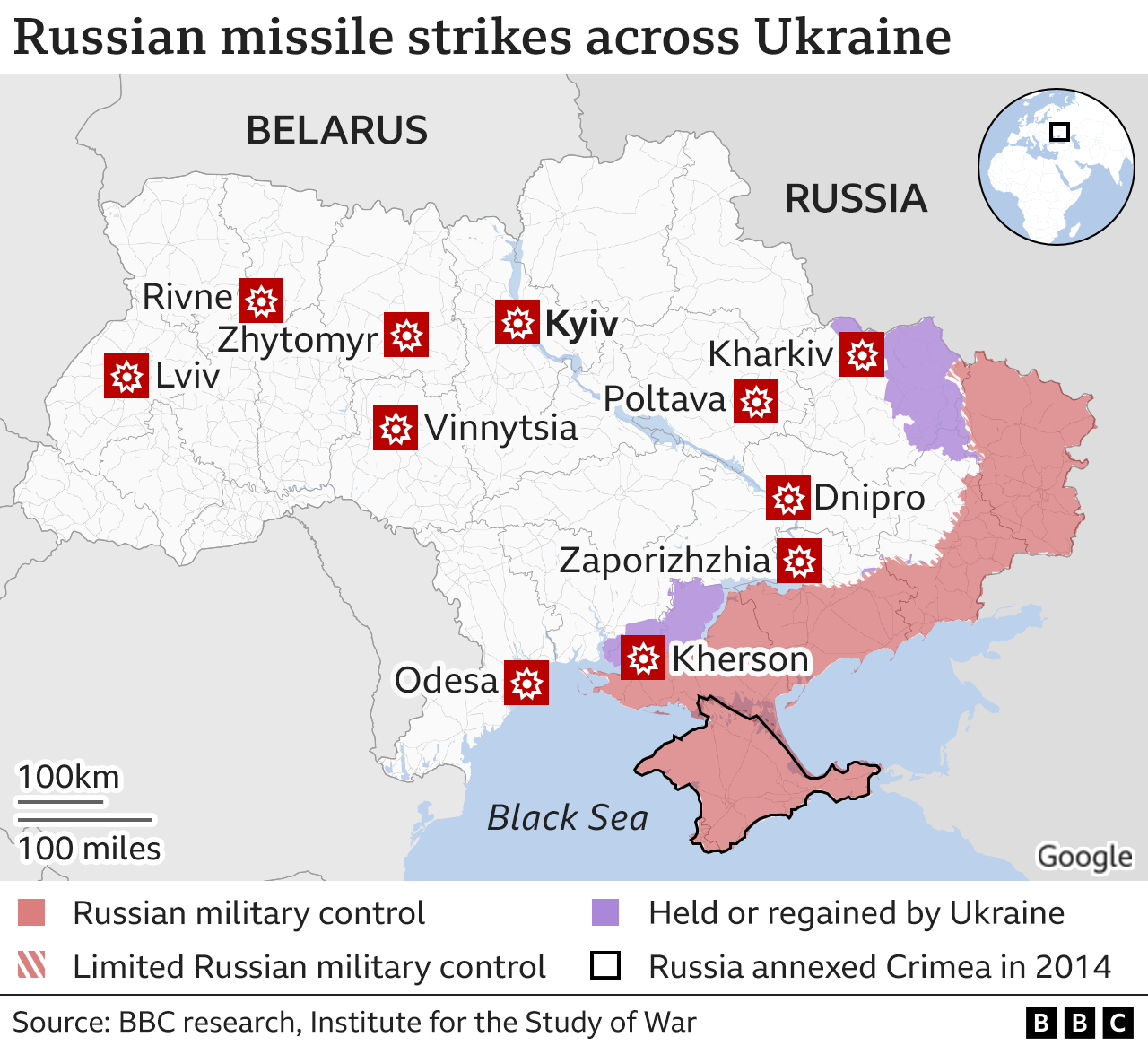
Travel insurance coverage is critical for any trip to Ukraine due to the active state of war and ongoing military risks. Most standard travel policies exclude claims related to war, invasion, or civil unrest, leaving travelers financially exposed. Comprehensive war risk insurance for Ukraine travel is essential, as it can cover emergency medical evacuation, repatriation of remains, and cancellation due to security escalation. Without specific coverage, a traveler facing injury or needing sudden evacuation may incur tens of thousands of dollars in out-of-pocket costs.
What standard travel policies often exclude
Traveling to Ukraine demands robust travel insurance coverage due to the active state of war and associated risks. Comprehensive war risk coverage is non-negotiable for any trip, as standard policies explicitly exclude conflict zones. Without it, you bear the full financial burden of medical evacuations, which can cost tens of thousands of dollars, and loss from missile strikes or civil unrest. Your policy must cover emergency repatriation, as airspace closures and damaged infrastructure can strand travelers. A single bureaucratic gap in your plan could leave you paying for a hospital stay in a conflict area. Since many embassies cannot provide evacuation services during active hostilities, your insurance is your primary lifeline. Always verify that your provider explicitly lists Ukraine as a covered destination and offers 24/7 crisis response support before departure.
Key Risks Covered by Specialized Plans
Specialized insurance plans typically cover unique and high-severity risks that standard policies exclude. For example, cyber liability policies address data breaches and network interruptions, while professional liability plans protect against errors and omissions in advisory roles. Environmental liability policies cover cleanup costs and legal fees from pollution incidents. Additionally, event cancellation insurance covers financial losses from unforeseen postponements, and directors & officers insurance shields personal assets from managerial decisions. These plans often include defense costs, regulatory fines, and loss of business income, making them essential for industries with niche exposures. Tailored deductibles and coverage caps allow for precise risk management, ensuring policyholders are protected against specific operational vulnerabilities without paying for irrelevant general protections.
War and conflict zone protection
Specialized insurance plans focus on niche threats that standard policies exclude, offering targeted protection where gaps exist. Cyber liability coverage is a prime example, shielding businesses from data breaches, ransomware, and network downtime that can cripple operations. These plans also address unique professional risks like errors and omissions in tech consulting or medical malpractice for specialists. Key perils often include:
- Regulatory fines for compliance failures (e.g., GDPR or HIPAA)
- Identity theft restoration and legal defense costs
- Equipment breakdown or supply chain interruptions
By zeroing in on specific vulnerabilities—from drone accidents to event cancellation—specialized plans provide agile, cost-effective safeguards that generic coverage misses.
Medical evacuation and emergency transport
Specialized insurance plans zero in on risks that standard policies often ignore. For example, cyber liability coverage shields you from data breach costs, ransomware demands, and legal fees after a hack. Equipment breakdown insurance handles sudden mechanical or electrical failures that could halt your operations. These niche options also cover specific liabilities like professional errors (errors and omissions) or pollution cleanup. By filling these gaps, they prevent expensive surprises. Tailored business insurance solutions help keep your company stable when unusual threats arise.
Accidental injury or illness abroad
Specialized insurance plans address niche exposures that standard policies exclude. For example, cyber liability covers data breach response costs, regulatory fines, and ransomware payments. Professional liability (Errors & Omissions) protects against claims of negligence or inadequate service delivery. Directors & Officers (D&O) insurance shields personal assets from lawsuits alleging mismanagement or breach of fiduciary duty. Environmental liability policies handle cleanup costs and third-party bodily injury from pollution incidents. A critical risk managed by specialized plans is business interruption from contingent supply chain failures, which standard property insurance typically omits. These coverages ensure financial resilience against unique, high-severity threats.
Essential Policy Features for Ukraine Travelers
Travelers to Ukraine should secure comprehensive insurance covering medical evacuation and trip cancellation, as these are essential policy features for navigating the region’s instability. Policies must include coverage for conflict-related disruptions, as standard travel insurance often excludes war zones. It is critical to verify that the provider explicitly covers emergency medical transport to a neighboring country or a safe location, given potential damage to local healthcare infrastructure. Additionally, look for provisions covering lost passports, flight delays from airspace closures, and theft of personal items in crowded areas like train stations or shelters. Many insurers offer specialized “high-risk travel” add-ons. Always read the policy’s exclusions on acts of war and terrorism carefully, and confirm 24/7 multilingual support availability for making claims while abroad.
Coverage limits and deductibles to review
Before you head to Ukraine, make sure your travel insurance has comprehensive war and conflict coverage, as standard policies often exclude this. Look for a plan that includes emergency medical evacuation, especially since hospitals near conflict zones can be overwhelmed. Many insurers now offer specific Ukraine-safe policies, but always double-check the fine print for exclusions on missile strikes or civil unrest. Read the entire policy document to avoid costly surprises. Also, confirm your policy covers trip cancellation due to border closures or military escalations. Most travel advisories already require proof of insurance for visa-free entry, so don’t skip this step.
24/7 assistance and multilingual support
Comprehensive travel insurance is a non-negotiable essential policy feature for Ukraine travelers. Given the active conflict zone, standard policies often exclude war-related incidents, so you must verify that your plan specifically covers injury, medical evacuation, and loss from military actions. War risk insurance for Ukraine typically includes emergency medical transport to a stable European country, which is critical due to damaged local healthcare infrastructure. Additionally, ensure your policy provides 24/7 global assistance, coverage for trip cancellation or interruption due to security escalations, and robust protection for lost luggage or travel documents at border checkpoints.
Pre-existing condition clauses and exclusions
Traveling to Ukraine demands proactive planning around comprehensive travel insurance with war risk coverage. Standard policies often exclude conflict zones, so you must verify that your plan explicitly covers medical evacuation, trip cancellation due to security escalations, and personal liability. Beyond insurance, register with your embassy upon arrival for real-time alerts. Your coverage should include at least $100,000 for emergency medical expenses and 24/7 multilingual assistance. Most essential, confirm your policy does not penalize you for government-issued travel advisories; otherwise, a sudden lockdown could leave you financially stranded without recourse or repatriation support.
Comparing Providers for Ukrainian Journeys
When comparing providers for Ukrainian journeys, travelers should evaluate safety records, route flexibility, and pricing structures to make an informed choice. Established operators like Ukrainian Railways offer extensive domestic coverage, while private bus companies and emerging ride-sharing platforms provide alternative options for cross-border travel. Key criteria for provider selection include real-time service updates, luggage policies, and multilingual support, particularly crucial for foreign visitors.
Always verify official licensing and read recent passenger reviews before booking any transport within Ukraine.
Additionally, price comparisons frequently vary between budget carriers and premium services, with booking platforms allowing side-by-side evaluation of amenities like Wi-Fi or meal inclusions. Political stability and currency fluctuations may affect both availability and costs, so monitoring official government travel advisories remains essential for reliable planning. Neutral comparison tools can help prioritize safety and regulatory compliance over other factors.
Top insurers offering tailored war-risk plans
When comparing providers for Ukrainian journeys, you’ll want to focus on reliable transport options for war-zone travel beyond basic buses. Some companies, like Ukrzaliznytsia, offer domestic trains with priority for military, while private shuttle services like Busfor or Intercity provide more flexible routes from border hubs like Przemyśl or Suceava. Compare prices, frequency, and luggage limits—especially since many providers restrict cargo due to security checks. Also check if the company offers real-time tracking via an app or SMS, and read recent traveler reviews on local forums. A key tip: book only through official or well-vetted sources to avoid scams targeting displaced families.

Q: What’s the fastest way from Warsaw to Lviv?
A: The direct Polrail shuttle takes about 7 hours, but consider a private minibus (often 6 hours) if you need to cross the border late at night.
Price versus coverage depth trade-offs
Comparing providers for Ukrainian journeys requires a sharp focus on reliability, cost, and specialized local expertise. While major global carriers offer basic connectivity, regional operators like Ukrainian Railways (UZ) and local bus networks often provide superior route density and real-time adaptability within conflict-affected zones. For international segments, budget airlines (e.g., Ryanair, Wizz Air) offer low fares to bordering cities, whereas premium train services (e.g., RegioJet) ensure greater comfort and luggage security. The key distinction lies in risk management: specialist travel firms incorporate live safety updates and flexible cancellation policies that standard providers lack. Always verify insurance coverage and border crossing procedures—agencies with dedicated Ukrainian desks deliver faster, more accurate support. Ultimately, choose a provider that prioritizes itinerary flexibility over rigid schedules.
Customer reviews and claim processing speeds
When planning trips to Ukraine, comparing providers like bus, train, and budget airlines can save you serious cash and hassle. **The best transport choice for Ukrainian journeys depends on your route and priorities.** For instance, trains with Ukrzaliznytsia are reliable for overnight trips between major cities like Kyiv and Lviv, while local bus companies such as Ecolines often offer cheaper last-minute tickets to smaller towns. Budget airlines like Ryanair or Wizz Air shine for rapid cross-border hops, but factor in airport transfer costs. Always double-check baggage fees and border crossing policies before booking. To wrap up:

- Trains: Best for comfort and safety in eastern routes.
- Buses: Cheapest for short hops, but longer travel times.
- Flights: Fastest for distant regions, yet stricter with luggage.
How to Choose the Right Level of Protection
To choose the right level of protection, first assess the specific risks against the value of the asset being secured. For digital data, distinguish between basic needs like password protection and more robust measures such as multi-factor authentication. In physical security, evaluate threat likelihood against the cost of barriers, surveillance, or personnel. Always scale protection to be proportionate; over-protection wastes resources, while under-protection invites breaches. A risk assessment matrix helps visualize this balance. Consider legal, industry, or compliance requirements as they dictate minimum thresholds. Ultimately, the optimal level is one that neutralizes plausible threats without hindering core operations. Update your evaluation periodically, as vulnerabilities and asset values evolve over time. Data encryption is often a baseline requirement for sensitive information, but layering it with access controls provides a more comprehensive shield.
Assessing trip duration and destination zones
Choosing the right level of protection visit ukraine insurance begins by assessing specific risks, whether for cybersecurity, personal safety, or business assets. Evaluate the potential impact of threats against the usability and cost of each security measure. Selecting appropriate security controls involves balancing vulnerability, exposure, and operational requirements. For layered protection, consider these key factors: the asset’s value, common threat vectors, and regulatory compliance needs. A higher risk environment demands more robust defenses, such as multi-factor authentication or comprehensive insurance, while lower-risk scenarios may allow for basic safeguards without limiting functionality.
“Always choose protection that matches the real threat level, not just the recommended default.”
For instance, a financial institution requires encryption, intrusion detection, and staff training, whereas a casual blog might only need strong passwords and regular updates. Continuous monitoring and periodic reassessment are vital, as threats evolve over time. Ultimately, smart protection is proportional, resource-aware, and designed for the specific context.
Age, health, and activity-based needs
Choosing the right protection starts with assessing your environment. First, evaluate the threats: an office worker needs different security than a construction site manager. Your workplace hazard assessment is the non-negotiable starting point. Next, match gear to risk levels:
- Low risk: basic gloves and safety glasses for minor cuts or dust.
- Medium risk: hard hats, steel-toe boots, and hearing protection for active worksites.
- High risk: full-body harnesses, respirators, and arc-flash suits for extreme conditions.
Don’t overprotect, which causes fatigue, or underprotect, which invites injury. Test the equipment’s fit and flexibility. The perfect balance keeps you safe without slowing you down, turning compliance into confidence on the job.
Single-trip vs. annual multi-trip options
Choosing the right level of protection begins with a thorough risk assessment of your specific environment or digital assets. Evaluate the value of what you are safeguarding against the potential impact of threats, such as data breaches or physical harm. For digital security, start with basic antivirus and firewall software, then scale up to multi-factor authentication and encryption for sensitive data. In physical contexts, consider factors like location, asset visibility, and occupancy to decide between deterrents like lighting and robust locks versus high-security barriers. A layered approach often provides the most balanced defense without imposing unnecessary inconvenience.
- Identify threats: List potential risks, from malware to unauthorized access.
- Analyze impact: Rate the cost or damage if a breach occurs.
- Balance cost and convenience: Match the protection level to the actual risk severity.
What to Do Before You Purchase a Policy
Before purchasing any insurance policy, your first step must be a thorough comparison of at least three providers. Scrutinize the coverage details, not just the premium, to ensure you are not paying for unnecessary riders. Always verify the insurer’s claim settlement ratio and financial stability through independent ratings. Comparing insurance quotes side-by-side reveals hidden flaws in cheaper policies. Finally, read the fine print on exclusions and waiting periods to avoid future disputes. This due diligence ensures your policy purchase confidence remains unshaken.
Q&A:
Q: Should I buy the cheapest policy available?
A: No. The cheapest policy often has gaps in coverage. Prioritize value and claim reliability over price alone.
Reading the fine print for Ukraine-specific terms

Before purchasing a policy, begin by evaluating your specific needs and financial capacity to avoid over- or under-insuring. Comparing multiple policy options is critical; never rely on a single provider’s quote. Check the insurer’s claim settlement ratio and financial stability through independent rating agencies. Carefully read all exclusions, waiting periods, and deductibles—these often hide costly gaps. Finally, confirm the policy’s premium fits your long-term budget, as a lapse can be expensive.
- Assess coverage needs (e.g., value of assets, health risks).
- Request quotes from at least three insurers.
- Verify claim settlement ratio (aim for 90%+).
- Review all exclusions and deductibles in the policy document.
- Ensure premium affordability over the full term.
Q&A
Q: Should I always choose the cheapest policy?
A: No. Lowest cost often means limited coverage or high deductibles. Balance price with coverage adequacy and insurer reputation.
Verifying embassy and local regulations
Before purchasing a policy, start by assessing your specific coverage needs and comparing multiple insurers. Review policy terms and exclusions carefully to avoid gaps in protection. Verify the insurer’s financial stability through credit ratings from agencies like A.M. Best or Standard & Poor’s, and check customer complaint records with state regulators. Request a detailed quote that outlines premiums, deductibles, and any add-on costs. If possible, consult an independent agent for unbiased guidance.
- Compare at least 3–5 quotes from different providers.
- Read the fine print on claim procedures and cancellation policies.
- Confirm coverage limits align with your assets or risk exposure.
Q: Is it necessary to buy the first policy I find affordable?
A: No. Cost alone shouldn’t drive your choice—insufficient coverage can lead to significant out-of-pocket expenses later. Prioritize coverage adequacy over price.
Gathering necessary documents for claims
Before you buy any policy, take a smart pause to review your actual needs. Comparing insurance quotes online is your first move, as rates can vary wildly between providers. Run through this quick checklist: check the company’s financial stability with rating agencies like A.M. Best, read the policy wording for exclusions and deductibles, and ask if the premium fits your budget long-term. Don’t just focus on price—also confirm what’s covered in common scenarios. A few hours of research now can save you from nasty surprises later.
Navigating Emergencies While in the Country
The dirt road shimmered, a ribbon of dust swallowed by an endless ocean of wheat. When the sky, moments ago a brilliant blue, bruised to a sickly green, I knew the calm was a lie. A funnel cloud, a black finger of God, reached down from the roiling belly of the storm. There was no siren, no warning from a distant town—only the sudden, violent hush of the world holding its breath. Recognizing rural emergency preparedness means accepting that help is not minutes, but hours away. I dove into a ditch, the earth’s cool weight my only shield against the howling chaos. The roar passed, leaving a silence thick with debris and the acrid smell of ozone. When I finally rose, I understood that navigating a crisis in the country is a primal dance with the land itself, where survival hinges on reading its warnings and trusting your own two feet to carry you home. This is the true heart of country emergency navigation.
Steps to take if you need medical help
When emergencies strike in rural or remote areas, preparedness for rural emergencies is non-negotiable. Unlike urban centers, help may be hours away, requiring you to act decisively. Always inform someone of your itinerary and carry a satellite communicator for areas without cell service. Keep a comprehensive first-aid kit and know basic wilderness medicine. For vehicle breakdowns, stay with your car, conserve fuel, and signal for help. If lost, stop moving, retrace your steps mentally, and use a whistle or mirror to attract attention.
Your calm, methodical response in the first five minutes determines the outcome of any rural emergency.
Finally, educate yourself on local hazards—from flash floods to wildlife encounters—before you travel. Panic wastes precious time; a cool head and a solid plan are your greatest assets.
How to contact your insurer from Ukraine
Navigating emergencies while in the country requires proactive preparation and a clear understanding of available resources. First, program local emergency numbers, such as those for police, fire, and medical services, into your phone. Rural emergency response protocols often have slower response times than urban areas, so maintain a well-stocked first aid kit, extra food, water, and communication alternatives like a satellite phone or two-way radio. For weather-related crises, such as wildfires or floods, identify safe evacuation routes and community shelters in advance. If you become lost or stranded while hiking, stay calm, conserve phone battery, and use landmarks to describe your location clearly to dispatchers. Road emergencies, like a breakdown, require you to pull off safely and use hazard lights; keep a reflective triangle and basic tools in your vehicle. Always inform a trusted contact of your travel itinerary to facilitate search efforts if needed.
Evacuation protocols and safe zones
When you’re out in the countryside, emergencies feel different—help can be miles away, and cell service often drops out. **Rural emergency preparedness** hinges on planning ahead. Always pack a physical map, a first-aid kit, and extra water in your vehicle. Let someone know your route and expected return time. If you get lost or injured, stay calm and stay put if possible—it makes you easier to find. For sudden weather shifts or wildlife encounters, signal with bright colors or a whistle, and avoid risky shortcuts at night.
Quick Q&A:
Q: What if I have no cell signal?
A: Use a whistle (three short blasts is the universal distress signal) or try walking to higher ground to catch a signal.
Frequently Asked Questions About Coverage
Navigating your insurance policy often raises common questions about coverage. Many wonder what specific events, like floods or earthquakes, are included, or if routine maintenance is covered. A key point to understand is that your specific policy limits dictate the maximum payout for a claim, while deductibles define your out-of-pocket cost. Another frequent query involves temporary living expenses during home repairs, which typically have a separate sub-limit. To avoid surprises, always review your policy’s declarations page and exclusions list. For clarity on your unique situation, direct communication with your agent is essential, ensuring you maximize your protection benefits and avoid costly gaps.
Is it valid during active conflict?
Navigating insurance coverage often raises key questions. Does your policy protect against natural disasters like floods or earthquakes? Typically, standard plans exclude these, requiring separate riders. Knowing what constitutes a pre-existing condition is also critical, as waiting periods often apply. Common queries include:
- Deductible limits: How much you pay before coverage kicks in.
- Network restrictions: Which doctors and hospitals are in-network for lower costs.
- Pre-authorization rules: Procedures needing approval before service.
Always review your policy’s fine print; exclusions for elective procedures or experimental treatments frequently catch policyholders off guard. Ask your provider directly about gaps—clarifying these details ensures you’re never left with unexpected out-of-pocket expenses.
Can I extend a policy while abroad?
Policyholders often ask if their homeowners insurance covers accidental damage from a new pet. One homeowner learned the hard way that a chewed-up sofa leg wasn’t covered under standard policies. Understanding coverage exclusions is the first step to avoiding surprises. Common FAQs include:
- Does it cover floods? No, you need separate flood insurance.
- Are termite repairs included? Rarely—infestations are usually excluded.
- What about broken electronics? Only if the damage is sudden and accidental.
Always review your policy’s fine print before assuming the worst.
Does it cover COVID-19 or other outbreaks?
When it comes to insurance or warranty plans, people often ask what exactly is covered and what isn’t. The most common question is whether pre-existing conditions are included—usually, they aren’t, but it depends on the policy. Another frequent concern involves deductibles and how they affect your out-of-pocket costs. For example, a lower monthly premium often means a higher deductible when you file a claim. You’ll also want to know if routine maintenance is covered, as many plans focus only on unexpected breakdowns. To help clarify, here’s a quick breakdown:
- What’s typically covered: Repairs for mechanical or electrical failures after the policy start date.
- What’s often excluded: Wear-and-tear items like tires, batteries, or cosmetic damage.
- How to file a claim: Contact your provider, pay the deductible, and get pre-approval for major repairs.
Remember, always read the fine print—some policies include a service network requirement that limits where you can get repairs done. If you’re unsure, ask about cancellation terms and coverage limits before signing up.
Final Checklist Before Departure
Your final pre-departure checklist is the essential guardrail between a seamless journey and a logistical nightmare. Triple-check that your passport has at least six months of validity beyond your return date, and store both physical and digital copies of all critical documents—including visas and insurance cards. Confirm you’ve secured travel insurance covering medical emergencies and trip cancellations. Notify your bank of travel plans to prevent card freezes, and pre-load offline maps, itinerary PDFs, and language translation tools on your phone. Finally, weigh your luggage, verify carry-on restrictions, and pack a small essentials kit (medications, chargers, a change of clothes) in your hand luggage. By completing these steps methodically, you eliminate last-minute chaos and guarantee departure day runs with precision. Travel preparedness is not optional—it’s your ticket to worry-free adventure.
Q&A: “What if I forget a critical medication?” Pack it in your hand luggage with a doctor’s note; never trust checked bags. “Should I confirm flight times the night before?” Absolutely—schedule changes happen, and a quick online check avoids a missed flight.
Confirming policy activation and contact numbers
Before leaving, confirm your travel documents checklist is complete. Double-check passport validity (six months beyond return date), visas, and printed itineraries. Scan all documents and email them to yourself for backup access.
- Medications: Pack in original bottles with prescriptions.
- Cash & Cards: Notify your bank; carry local currency and a backup card.
- Electronics: Chargers, power bank, and universal adapter.
- Home Security: Set timers for lights, pause mail delivery, and inform a neighbor.
Q&A: What if I forget a must-pack item? Create a pre-packed “go-bag” with travel-sized toiletries, first-aid kit, and a spare phone charger. This minimizes last-minute stress.
Printing and storing proof of coverage
The morning air hums with a quiet urgency as you run through your final travel checklist one last time, the familiar weight of your backpack a comfort against your shoulders. You pat your pocket—passport, wallet, phone—each a silent promise of safe passage. In the corner, your hiking boots stand ready, laces coiled like sleeping snakes. You flick through your printed itinerary, noting the flight time and hostel address, then double-check that the chargers and power bank are nestled in your daypack. A quick glance at the weather app confirms your layers are right: a light jacket for the cool airport, a scarf for the drafty train. You pause at the door, key in hand, and smile—the coffee is turned off, plants watered, and your favorite book sits in your carry-on, marking the first page of a new chapter.
Sharing details with emergency contacts
A thorough final checklist before departure ensures a smoother journey and reduces last-minute stress. Verify travel documents and identification are easily accessible. Confirm flight times, gate numbers, and accommodation details. Complete online check-in if available to save time. Check passport validity and visa requirements for your destination.
- Secure your home: lock all doors and windows, set timers for lights, and pause mail delivery.
- Pack electronics and chargers in a carry-on, including power banks and adapters for international outlets.
- Prepare a small medical kit with essential medications, first-aid items, and copies of prescriptions.
- Arrange airport transportation and confirm pet care or plant watering schedules.
Finally, recharge all devices, download offline maps, and notify your bank of travel plans to avoid card disruptions. Double-check baggage weight limits to avoid fees, and carry printed backups of key booking confirmations.
